


5 Facts About Frosting That You Probably Didn’t Know
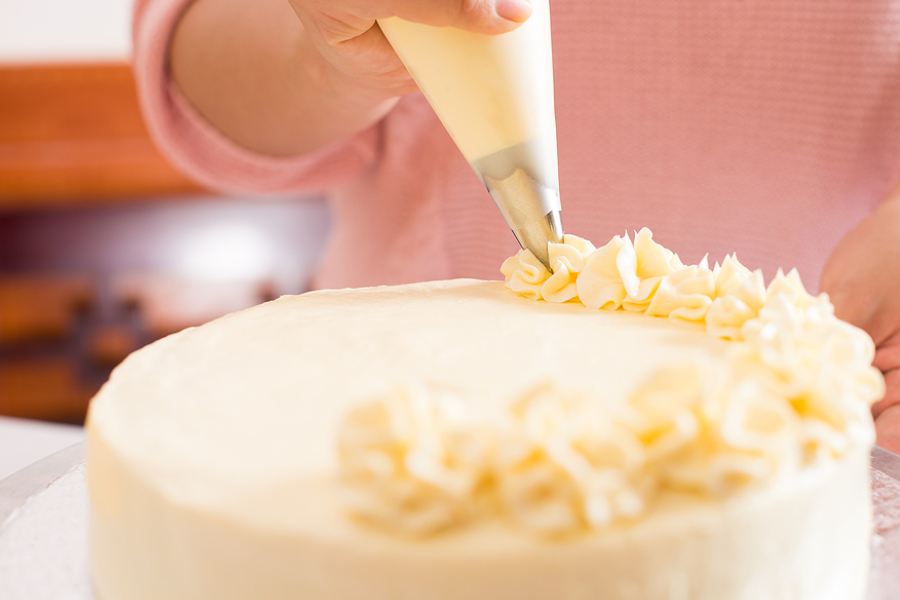
Frosting is the finishing touch that transforms a plain cake into a masterpiece. Whether it’s piped in rosettes on cupcakes, spread thickly across a sponge, or swirled high on a layered cake, frosting brings beauty, texture, and that irresistible sweetness we all love. From buttercream to ganache, frosting is a delicious part of any celebration.
But have you ever sat down, fork in hand, slowly savouring a rich piece of frosted cake, and wondered what exactly goes into that sweet topping? Where did it come from? Why do some frostings hold their shape perfectly while others melt at the slightest touch? You’re not alone. Let’s dive into five fun facts about frosting that might just surprise you the next time you enjoy a slice.
1. Frosting has royal roots
Believe it or not, frosting wasn’t always the fluffy, sugary delight we know today. The earliest forms of frosting date back to the 17th century and were actually more like a sugary glaze than the thick layers we use now. These early frostings were made from sugar, egg whites, and sometimes rose water, and were used to coat cakes before being hardened in the oven—almost like a crust.
Frosting truly began to evolve in the 18th and 19th centuries, especially with the invention of refined sugar. The Victorians adored elaborately decorated cakes, and with the rise of piping tools, bakers could create ornate designs that reflected their social status. It’s fair to say that without royalty and high society pushing cake design forward, our birthday and wedding cakes might look very different today!
2. Not all frostings are created equal
There are so many types of frosting, each with its own personality. Buttercream is perhaps the most well-known – creamy, versatile, and perfect for everything from spreading to piping. Cream cheese frosting brings a tangy twist, especially when paired with carrot cake or red velvet. Then there’s ganache, made from chocolate and cream, offering a glossy, rich finish that’s perfect for chocolate lovers.
Some frostings behave very differently depending on the climate. Swiss meringue buttercream, for instance, is silky and less sweet, but it can become unstable in Singapore’s humid weather. This is why some local bakers opt for sturdier frostings or even non-dairy alternatives for that clean, polished finish that lasts, especially when creating elaborate designs for outdoor events.
3. Frosting is an art form
Decorating with frosting is a visual art. Skilled bakers use frosting to create flowers, textures, and even entire scenes on cakes. Some even take things a step further with themed designs like a pinata knock-knock cake, where the inside of the cake is filled with colourful sweets that tumble out when sliced, offering a double surprise!
The texture and stiffness of frosting are crucial to these designs. For example, a money pulling cake, where notes are hidden in the layers and pulled out from the top, needs frosting that can support the hidden elements without collapsing. These cakes rely on precise control over frosting consistency to ensure the best effect.
4. Frosting can be colour-sensitive
Ever wondered why your beautifully piped blue flowers turned greenish overnight? Some frosting ingredients react to certain food colourings or environmental conditions. Natural dyes, such as beetroot or spirulina, can fade or change shade depending on the pH level of the frosting or even exposure to sunlight.
Buttercream made with real butter tends to hold colour better than margarine-based ones, but it also softens quicker in warmer temperatures. This is something bakers take into serious consideration, especially when dealing with intricate colour themes for customised cakes. And if you’re planning an affordable customised cake in Singapore, it’s always good to consult your baker on colour stability, especially for outdoor parties or long transport.
5. It’s not always about taste
While frosting adds flavour, it’s also a practical tool. It seals in the moisture of the cake, keeping it fresher for longer. A crumb coat (thin frosting spread over the cake before the final layer) helps keep the cake looking neat and polished. This is particularly useful when sizing birthday cakes right, as larger cakes often need more structure and stability, which frosting provides.
More recently, frosting has also become a canvas for creative trends. We’ve seen minimalist frosted cakes with smooth pastel finishes, galaxy-themed cakes with iridescent swirls, and retro-inspired designs with piped shells and borders. With these trends, the flavour sometimes takes a backseat to the visual impact, but the best cakes find that perfect balance between the two.
Frosting fun beyond the basics
Whether it’s for a first birthday cake in Singapore, a wedding, or a random Tuesday indulgence, frosting adds a touch of magic to any bake. And with so many creative cake options available today, like the ever-popular money pulling cake or the dramatic explosion bomb cake, frosting is more than just a topping. It’s part of the whole cake experience.
Parents planning a child’s birthday party might choose a pinata knock-knock cake for that unforgettable surprise moment, while couples celebrating anniversaries might opt for a classic buttercream finish with elegant piping. Whatever the occasion, there’s a frosting style to match the vibe and a baker who can turn it into reality.
Conclusion
There’s more to frosting than meets the eye, from its historical roots and structural functions to its role in creating truly showstopping cakes. Next time you bite into a beautifully decorated slice, take a moment to appreciate the craft, the chemistry, and the creativity behind it all.
Whether you’re planning a birthday, wedding, or corporate celebration, Tings Bakery offers cakes for every occasion, designed with care, made with quality ingredients, and topped with frosting that’s just right.