

Fun Facts About the Mid-Autumn Festival You’ll Love
The Moon Festival, more commonly known as the Mid-Autumn Festival, is one of the most cherished celebrations in Chinese culture. It has been observed for more than 3,000 years, making it one of the oldest festivals still practised today. Rooted in ancient traditions and layered with cultural symbolism, the Mid-Autumn Festival is celebrated across Asia, including in Singapore, as a time of reunion, reflection, and thanksgiving.
But beyond the lanterns, mooncakes, and evening strolls under a glowing moon, the festival’s history is filled with fascinating details. Understanding these stories and traditions allows us to better appreciate why this annual celebration continues to hold a special place in people’s hearts.
Why Singaporeans celebrate the Mid-Autumn Festival
Falling on the 15th day of the eighth lunar month, the Mid-Autumn Festival is closely tied to the lunar calendar. On this night, the moon is said to be at its fullest and brightest, a symbol of reunion and wholeness. For Singaporeans, the celebration is a reminder of the importance of family and friendship, which are values that resonate deeply in a multicultural society.
The festival atmosphere is defined by two key symbols: lanterns and mooncakes. Lanterns, whether handmade by children or beautifully crafted by artisans, light up the night in vibrant displays. They embody hope, joy, and the wish for a brighter future.
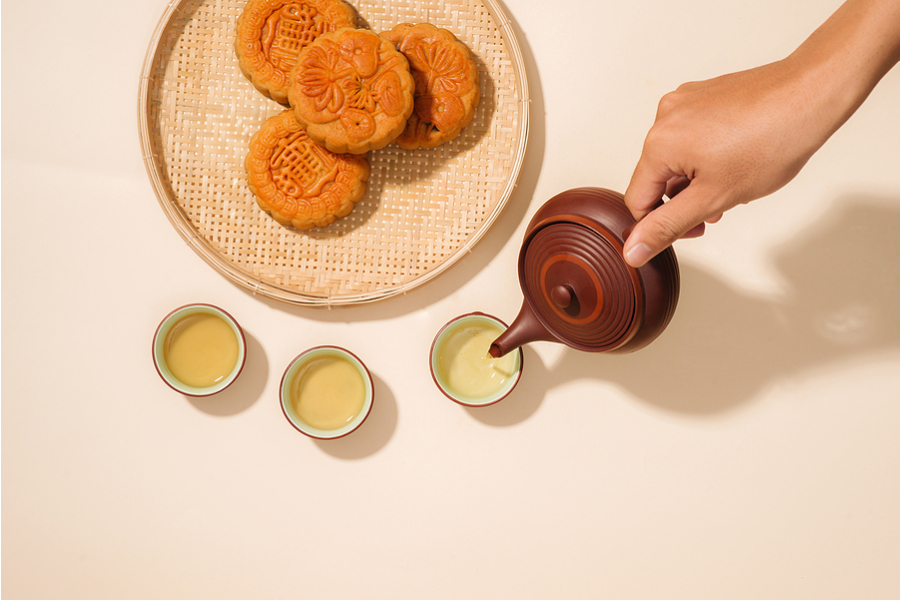
Mooncakes, on the other hand, are the edible icons of the season. Their round shape mirrors the full moon, reinforcing the idea of togetherness. Traditionally filled with lotus seed paste and salted egg yolk, mooncakes now come in countless modern variations, from chocolate-filled snow skin to durian-flavoured creations. In fact, some bakeries even extend the creativity of the season with unique customisations – similar to how families might order affordable customised cakes in Singapore for other celebrations, mooncakes have become both a festive treat and a thoughtful gift.
Sharing mooncakes is also an essential part of the Mid-Autumn experience. Gifting them to loved ones, colleagues, or neighbours carries a symbolic meaning: a gesture of love, gratitude, and unity. If you’ve ever received a box of mooncakes, you weren’t just being offered dessert; you were being invited into the heart of the festival’s spirit.
The origins of the festival
The roots of the Mid-Autumn Festival stretch back over three millennia. While traces of moon worship can be found as early as the Shang Dynasty, the festival truly flourished during the Tang Dynasty, when it became a popular cultural event.
For agricultural societies, the timing of the celebration was particularly significant. Falling in the middle of the autumn harvest, the full moon was seen as a divine guide, offering light for farmers and symbolising abundance. Communities gathered to worship the moon, believing that these annual offerings would ensure a fruitful harvest in the year to come.
What began as a practice of worship slowly transformed into a family-centred celebration. Today, while few people still perform traditional moon rituals, the essence of gratitude, reunion, and hope remains firmly woven into the festival.
The legend of Chang’e and Hou Yi
No Mid-Autumn story is complete without the timeless legend of Chang’e, the Moon Goddess. This tale, passed down through countless generations, captures the festival’s romantic and mythical dimension.
The story begins with Hou Yi, a heroic archer who saved the world by shooting down nine out of ten suns, sparing the earth from destruction. As a reward, the gods gifted him an elixir of immortality. However, Hou Yi chose not to consume it, unwilling to live eternally without his beloved wife, Chang’e.
One day, Hou Yi’s treacherous apprentice, Pang Meng, attempted to steal the elixir. To protect it, Chang’e drank it herself and was carried to the moon, where she became the immortal Moon Goddess. Heartbroken, Hou Yi placed his wife’s favourite fruits and cakes on an altar under the moonlight, longing for her presence. Moved by their devotion, the gods allowed the couple to reunite once a year, during the full moon of the eighth lunar month.
This story remains one of the most enduring reasons why families gather to admire the moon during the festival. Looking up at the glowing orb, it’s said you might even spot Chang’e’s silhouette watching over the celebrations.
Where do mooncakes come from?
Mooncakes are arguably the most recognisable symbol of the Mid-Autumn Festival, but their origins are as layered as the pastries themselves. One popular tale dates back to the Yuan Dynasty. At the time, China was under Mongol rule, and rebels supposedly hid secret messages inside mooncakes to organise uprisings. The clever tactic helped coordinate efforts to overthrow the rulers, and mooncakes have been a festival staple ever since.
Over the centuries, mooncakes became more ornate and meaningful. By the Ming and Qing Dynasties, Mid-Autumn celebrations rivalled Chinese New Year in scale, and mooncakes were stamped with auspicious characters such as “longevity” and “harmony.”
Interestingly, the earliest versions of mooncakes were far simpler and consisted of just plain steamed cakes with little or no filling. The flavoured and filled versions we know today only emerged in the 19th century. Modern mooncakes can be sweet, savoury, or even playful, with creative designs that appeal to younger generations. For instance, themed bakes demonstrate how traditional festive food continues to evolve with modern tastes and pop culture trends.
Regardless of their form, mooncakes remain deeply symbolic. They are usually cut into eight slices (as eight is considered a lucky number in Chinese culture), reinforcing their meaning of completeness and harmony. The salted egg yolk often found at the centre represents the moon itself, glowing bright against the sweet paste that surrounds it.
Beyond food and lanterns: Other Mid-Autumn Festival traditions
Although mooncakes and lanterns take centre stage, the Mid-Autumn Festival is more than just snacks and lights. Families often gather outdoors to admire the moon, tell stories, or let children parade with lanterns in parks and neighbourhoods. In some places, dragon and lion dances add energy to the evening, while cultural performances showcase the festival’s rich heritage. For families who enjoy adding a playful twist to their gatherings, it’s easy to see why a pinata cake could be fun for all ages – much like lantern walks or festive games, it brings laughter and excitement to the celebration.
Tea-drinking is also a common accompaniment, as tea helps balance the richness of mooncakes. In Singapore, community centres and cultural groups often host events where people can try calligraphy, watch performances, or join lantern-making workshops, ensuring that younger generations connect with the traditions.
Conclusion
The Mid-Autumn Festival is a celebration of heritage, love, unity, and gratitude. From its agricultural roots to the legends of Chang’e and Hou Yi, every element of the festival tells a story. By understanding the historical facts and cultural significance behind these traditions, we can appreciate the festival on a deeper level. And when families in Singapore and across the world gather under the glow of the full moon, they are not only enjoying the moment but also carrying forward a legacy that has endured for thousands of years.
If you’re looking for a unique way to celebrate Mid-Autumn, why not surprise your loved ones with a customised cake from Tings Bakery? Whether it’s a design inspired by the moon, lanterns, or your own creative ideas, our cakes are crafted to make your festive gathering extra special. Create a Mid-Autumn memory that’s as sweet as it is meaningful with Tings Bakery.