
Real And Mock Wedding Cakes: Symbolism And Modern Uses
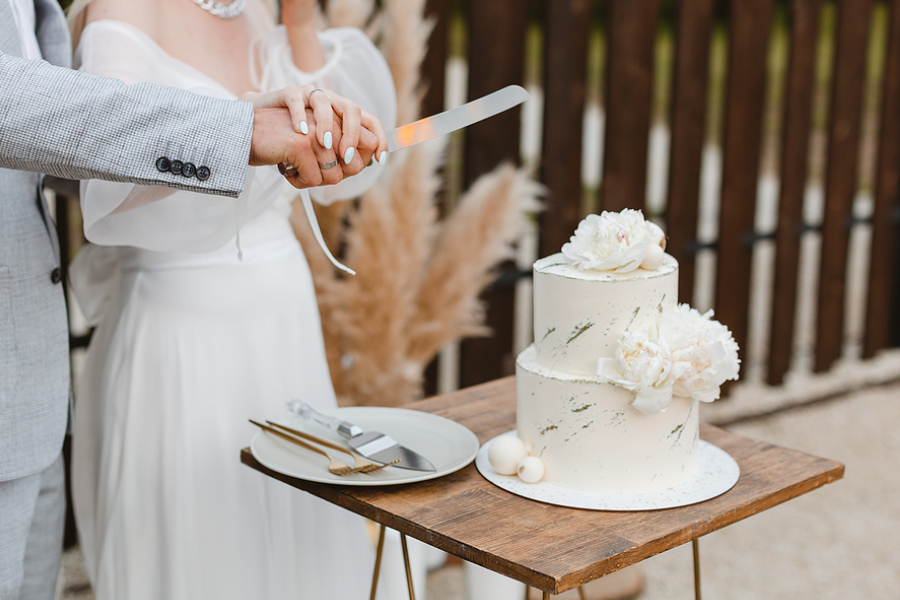
Weddings are often the one occasion where couples go all out to choose the prettiest cake they can find. From elegant tiered creations to intricate handcrafted designs, the wedding cake becomes more than dessert. It’s a photo moment and a shared experience that guests remember long after the celebration ends.
Yet many people are surprised to learn that not every wedding cake displayed at a reception is entirely edible. Have you ever heard of real and mock wedding cakes? Modern weddings now mix tradition with practicality, and understanding the difference helps couples plan a celebration that looks beautiful while staying realistic in terms of budget, logistics, and guest experience.
The meaning behind wedding cakes through history
Wedding cakes carry centuries of symbolism. Historically, cakes represented prosperity, fertility, and good fortune for the couple’s future together. Ancient Roman wedding customs even involved breaking bread or cake over the bride’s head as a blessing for abundance and children.
Over time, the tradition evolved into the tiered cake we recognise today. The white icing, once a luxury affordable only to wealthy families, became associated with purity and status. Cutting the cake together symbolised the couple’s first shared responsibility in marriage, reflecting unity and cooperation as they began their life together.
Even in modern celebrations filled with personalised themes and unconventional ideas, many couples still want to honour these traditions, which is why the wedding cake remains such an important feature.
What is a real wedding cake?
A real wedding cake is exactly what it sounds like: a fully edible cake made entirely of sponge, fillings, frosting, and decorative elements that guests will eventually eat.
Traditionally, real cakes were large, multi-tiered creations designed to serve everyone attending the reception. Today, they continue to hold emotional significance because they represent authenticity and shared celebration.
Couples often choose a real cake when:
- They want guests to enjoy the same cake featured during the cake-cutting ceremony
- Food experience is a priority at the reception
- The cake plays a meaningful cultural or family role
- They plan to preserve a portion of the top tier for anniversaries
Some couples even choose to freeze their cake’s top tier as a sentimental tradition, keeping it for their first anniversary as a reminder of their wedding day. From classic vanilla and fruitcake to modern flavours like pistachio rose or Earl Grey lavender, real cakes now reflect personal tastes rather than strict tradition.
What is a mock wedding cake?
A mock wedding cake looks identical to a real one but is mostly made from non-edible materials such as decorated foam tiers. Only a small portion, usually the bottom layer, is an actual cake used for ceremonial cutting.
This concept has grown increasingly popular for practical reasons. Large wedding cakes can be expensive, fragile, and difficult to manage during long events, especially in warm climates like Singapore. Mock cakes allow couples to enjoy the visual impact of a grand cake without some of the common challenges.
Why couples choose mock cakes:
- Cost efficiency – Elaborate designs cost less when fewer edible tiers are required
- Better durability – Foam tiers don’t melt or collapse under heat
- Simpler serving logistics – Kitchens can prepare sheet cakes separately for guests
- Creative freedom – Intricate designs become easier to achieve
Guests usually never notice the difference, since slices served during dessert often come from pre-cut kitchen cakes rather than the display cake itself.
Real vs mock wedding cakes: A quick comparison
| Feature | Real Wedding Cake | Mock Wedding Cake |
| Fully edible | Yes | Partially |
| Visual impact | Elegant and authentic | Equally impressive |
| Cost | Higher for large tiers | More budget-friendly |
| Heat resistance | Can be sensitive | More stable |
| Serving logistics | Requires careful planning | Easier coordination |
Neither option is better than the other. The choice depends on priorities, whether emotional tradition or practical convenience takes centre stage.
Choosing the right cake for your wedding style
Selecting between cake types often comes down to understanding your wedding priorities. Instead of focusing only on appearance, couples benefit from considering how the cake fits into the overall experience.
Here are a few guiding questions:
- Do you want a traditional cake-cutting moment rooted in symbolism?
- Is photography and visual presentation a major focus?
- How large is your guest list?
- Will your venue environment affect cake stability?
- Are you prioritising budget flexibility elsewhere?
A smaller real cake paired with additional kitchen servings can sometimes deliver the best of both worlds.
Practical tips before finalising your cake
Before confirming your order, it helps to discuss details clearly with your baker and venue team.
Consider:
- Delivery timing to avoid heat exposure
- Storage arrangements at the venue
- Portion planning based on guest numbers
- Alternative desserts if guests prefer variety
- Design elements that match your wedding theme
Clear communication prevents last-minute stress and ensures the cake enhances the celebration rather than becoming a logistical challenge.
Conclusion
Wedding cakes continue to evolve alongside modern celebrations, balancing symbolism with practicality. Whether couples choose elaborate edible tiers, cleverly designed display cakes, or a mix of both, the tradition remains rooted in shared joy and meaningful beginnings.
Today’s weddings show that traditions don’t need to disappear to stay relevant. They simply adapt, allowing couples to celebrate in ways that feel personal, thoughtful, and memorable for everyone involved.
If you’re planning a celebration and looking for beautifully crafted creations, Tings Bakery offers cakes for every occasion, helping turn meaningful moments into sweet memories worth sharing.